
With New Years Eve just around the corner, dog owners are being urged to watch for the lesser-known signs of fear so they can take early steps to comfort their pets, reduce exposure to loud noises and keep them safe.
The dog training experts from Acme Kennels have warned pet owners to recognise the more unknown indicators of stress in their dogs when fireworks are expected, to help prevent long term distress.

New Year firework displays can be extremely upsetting for dogs due to the loud, unpredictable sounds; and while barking and trembling are common signs of fear, more subtle cues such as showing the whites of the eyes, unusual tail carriage and swivelling ears should not be ignored.
Each of these signs offers owners an opportunity to intervene before fear escalates, and by being aware of these early signs, they can respond calmly and provide reassurance to help their dog feel safe and secure, preventing fear from worsening.
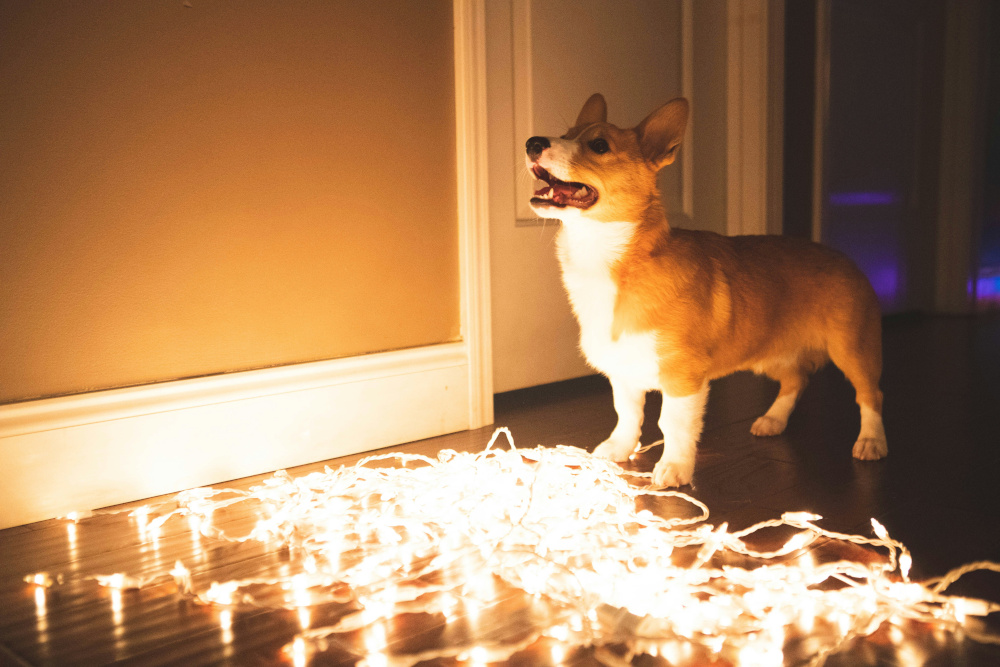
If these early signs of stress are missed, a dog’s anxiety can intensify, potentially leading to panic, injury, or longer-term fear and behavioural issues.
Ben McFarlane, expert from ACME Kennels, said: “Unfortunately, New Years Eve can be extremely distressing for dogs, so it is important that owners recognise the early signs of stress to protect their pet’s welfare.
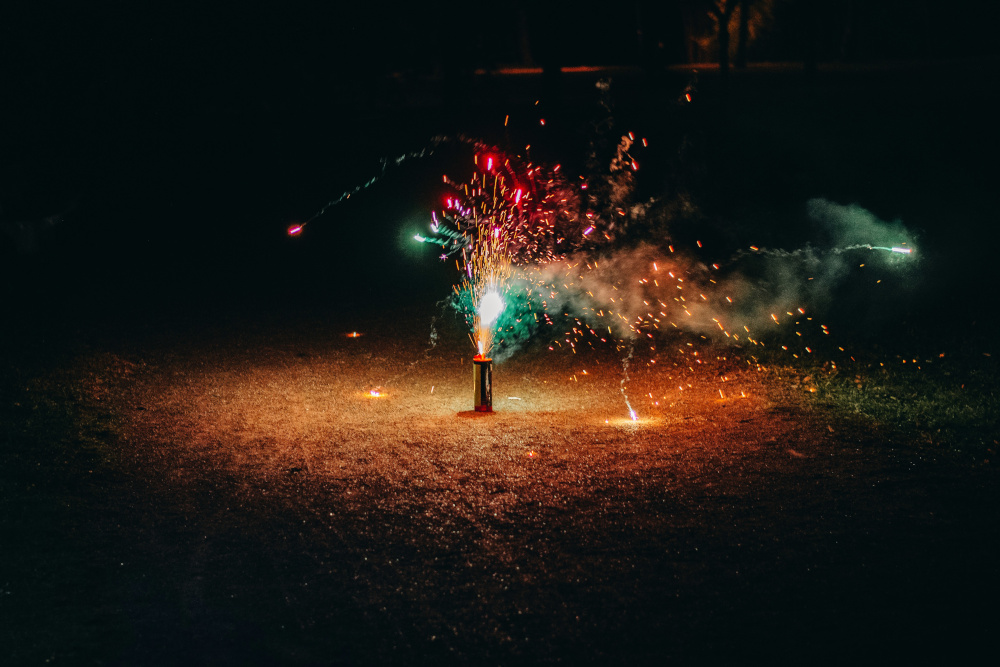
“A dog that begins to show mild tension, such as body stiffness, lip-licking or a tucked tail, may quickly progress to trying to escape or a loss of toileting control if those signs are ignored as their fear and anxiety increase.
“By noticing and responding to these behaviours early, owners can provide reassurance, create a calm environment and help prevent fear from developing into a lasting problem.”
Six early signs of fear in dogs on New Years Eve, according to the experts at ACME Kennels:
 City Dog Expert is Europe’s number one resource for urban dogs.
As featured in Wall Street Journal, New York Press,
The Sun, Chicago Tribune & Financial Times