
And Build a Go Bag That Actually Works in a City
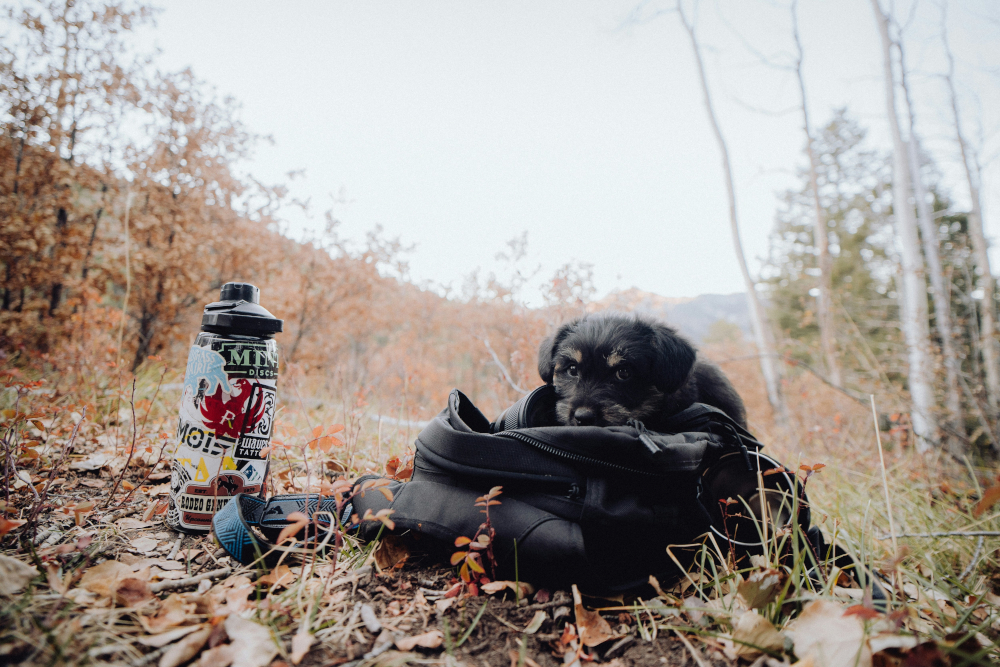
Emergencies in cities don’t arrive politely. Power cuts, transport shutdowns, building evacuations, civil incidents, extreme weather. When something happens, you rarely get time to think.
For dog owners, that delay matters.
Preparation is not about panic. It is about removing decisions when you are under pressure.
The goal is simple.
You should be able to leave your home with your dog in under five minutes, with everything you need to keep them safe, calm, and under control.

Most urban dog owners live in flats, rely on lifts, public transport, and tightly shared spaces. That changes everything.
In a crisis, you are likely dealing with:
FEMA guidance is clear on one key principle:
You must be able to sustain yourself and your pet independently for several days.
And crucially:
If it is not safe for you, it is not safe for your dog.
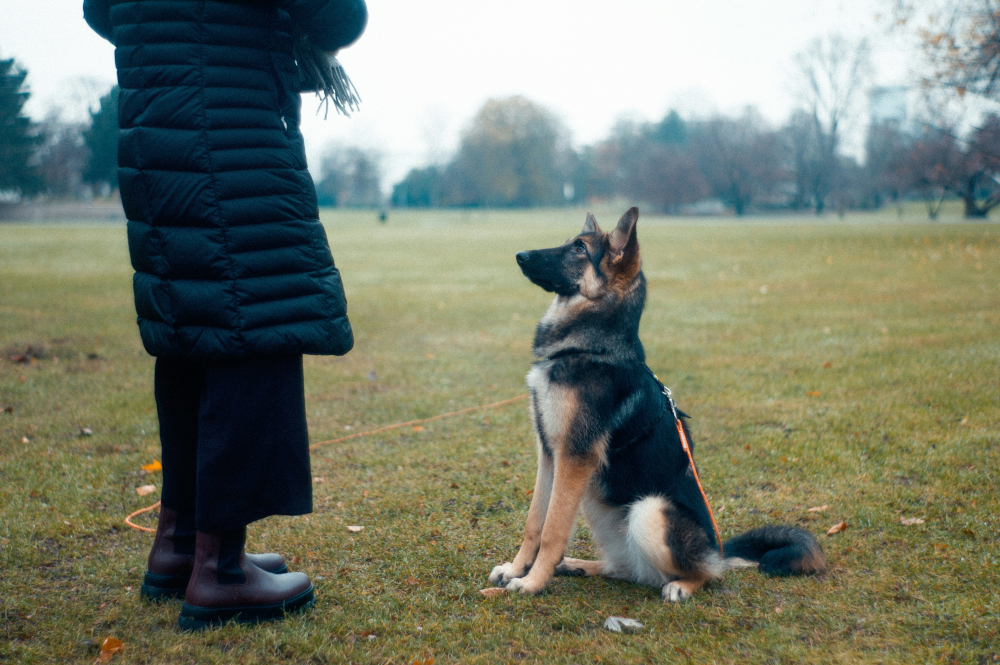
Before
You Ever Need the Go Bag
A well-packed bag is useless if your dog cannot cope with the situation.
Focus on these non-negotiables:
1. Calm handling in chaos
Your dog should be comfortable being held, guided, or restrained without resistance.
2. Carrier or harness acceptance
FEMA and emergency agencies consistently recommend carriers or secure harnesses for evacuation.
In a city, this is essential. You may need to carry your dog through crowded stairwells or onto transport.
3. Noise and crowd tolerance
Sirens, shouting, alarms. These are not optional exposures.
Train neutral responses now.
4. Fast recall and engagement
You need immediate attention from your dog, not negotiation.
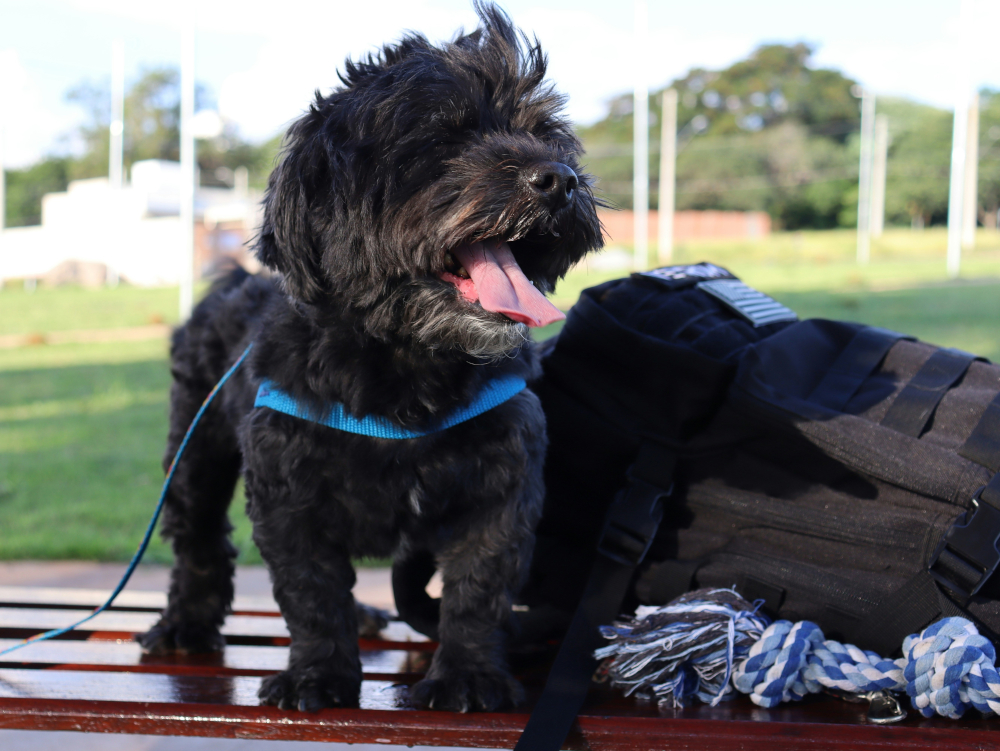
Think compact. Portable. Grab-and-go.
FEMA and Ready.gov recommend creating a lightweight evacuation kit plus a larger stay-at-home kit.
For city living, your go bag should be a single, streamlined unit.
The Essentials (Non-Negotiable)
These come directly from FEMA-aligned guidance and veterinary emergency protocols:
Food and water (3 to 7 days minimum)
Emergency agencies recommend at least several days of supplies for pets.
Medication and health records
This is critical if you need to access emergency care elsewhere.
Identification and proof of ownership
This helps reunification if you are separated.
Lead, harness, and carrier
You need full physical control at all times.
First aid kit
Emergency guidance consistently includes a pet-specific first aid kit.
Sanitation supplies
City environments mean shared spaces. Hygiene matters.
Comfort items
This is not indulgent. It reduces stress and stabilizes behavior in unfamiliar environments.
The Smart Add-Ons (City-Specific)
This is where most people fall short.
Compact cooling or warmth solution
Urban buildings can trap heat or become cold quickly.
Portable lighting
For stairwells, power outages, or night evacuations.
Foldable water container
More efficient than carrying multiple bottles.
Printed emergency contacts
Do not rely on your phone.
Include:
One of the biggest mistakes city dog owners make is assuming they can “figure it out.”
You cannot.
FEMA-style planning emphasizes:
For city dwellers, this means:
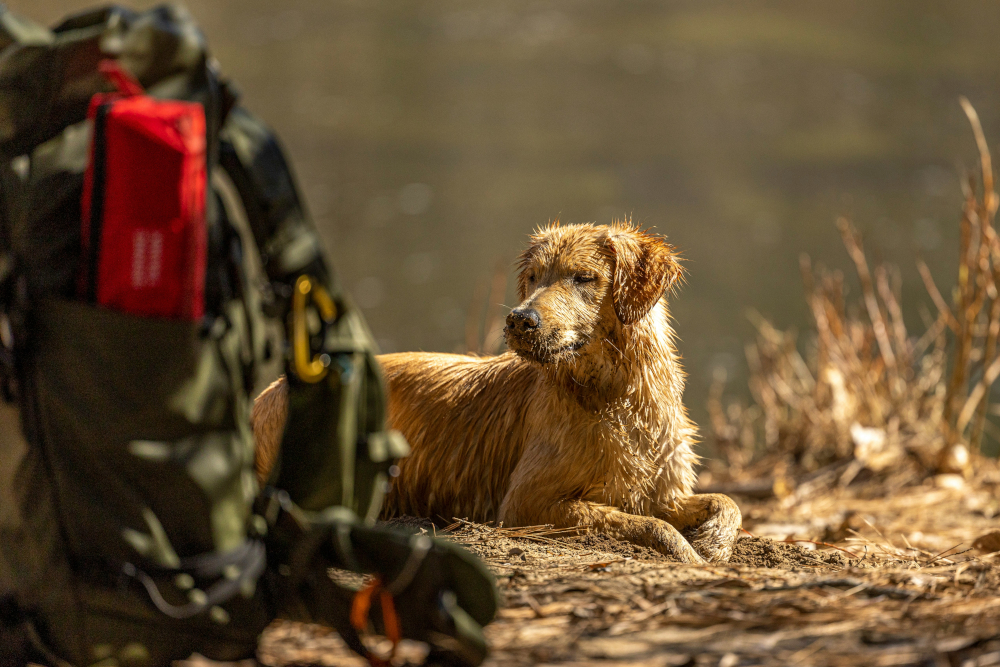
Your go bag should live:
FEMA recommends keeping kits in easy-to-carry containers like backpacks or duffel bags.
For apartment living, a backpack is usually the best option.

Preparation is not a one-time task.
Every 2 to 3 months:
Emergency guidance stresses regular updates and checks to keep kits usable.
You do not need a perfect system.
You need a functional one.
If you had to leave your home right now, ask yourself:
If the answer is no to any of these, you are relying on luck.
And luck is not a strategy.
Your dog does not understand emergencies.
They understand you.
If you are prepared, calm, and decisive, they will follow your lead.
Preparation is not about expecting the worst.
It is about making sure your dog never has to experience it unprotected.
 City Dog Expert is Europe’s number one resource for urban dogs.
As featured in Wall Street Journal, New York Press,
The Sun, Chicago Tribune & Financial Times